Raleigh Wildlife Habitat
Creating Healthy Habitats for People and Wildlife
Garden for Wildlife
Turn your yard into a thriving habitat for birds, butterflies and other wildlife.
NWF Wildlife Habitat Checklist
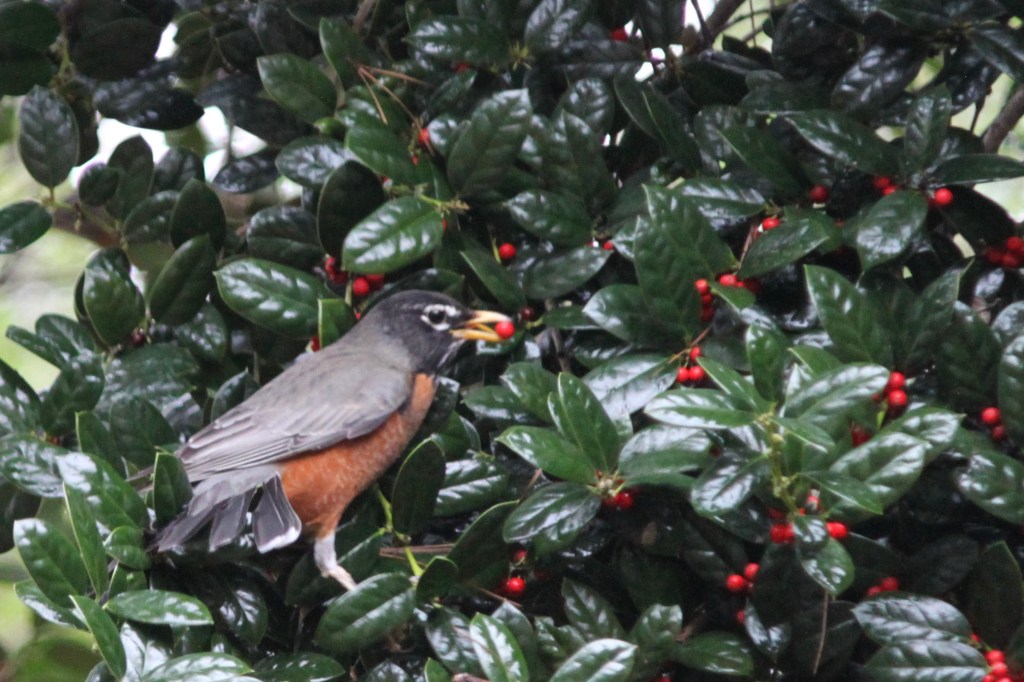
Food: Native plants provide nectar, seeds, nuts, fruits, berries, foliage, pollen, and insects eaten by an exciting variety of wildlife. Feeders can supplement natural food sources.
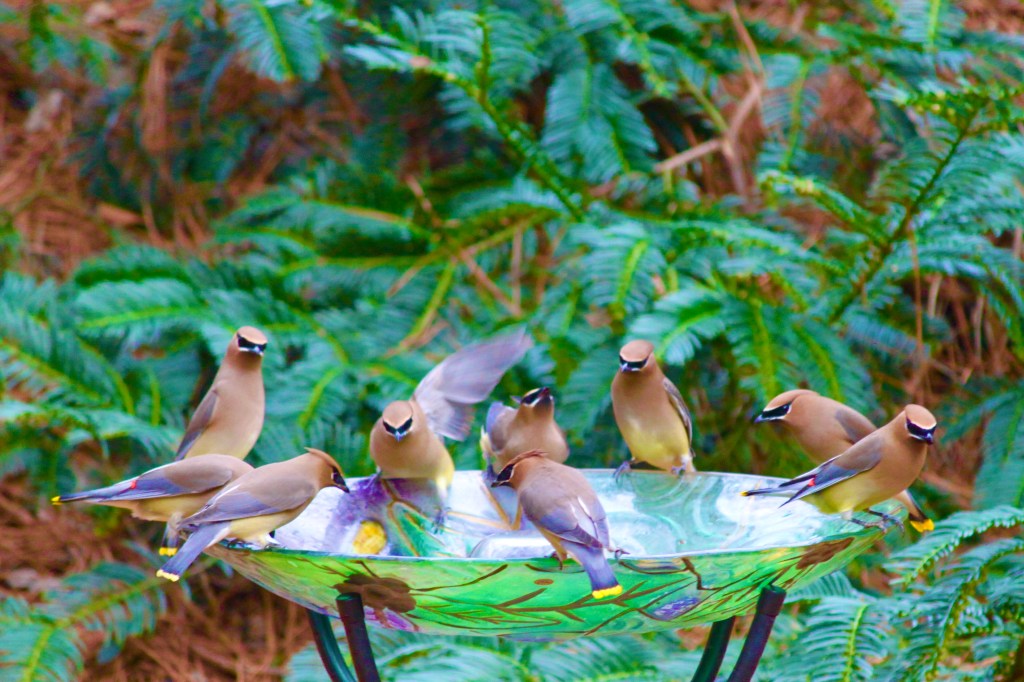
Water: All animals need water to survive and some need it for bathing or breeding as well.
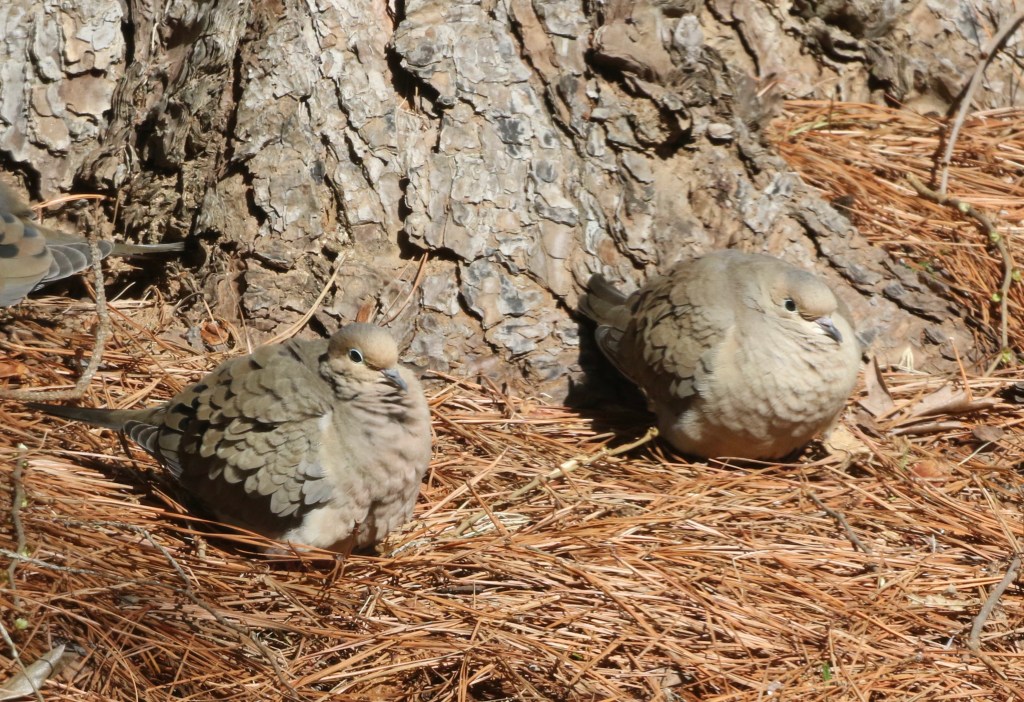
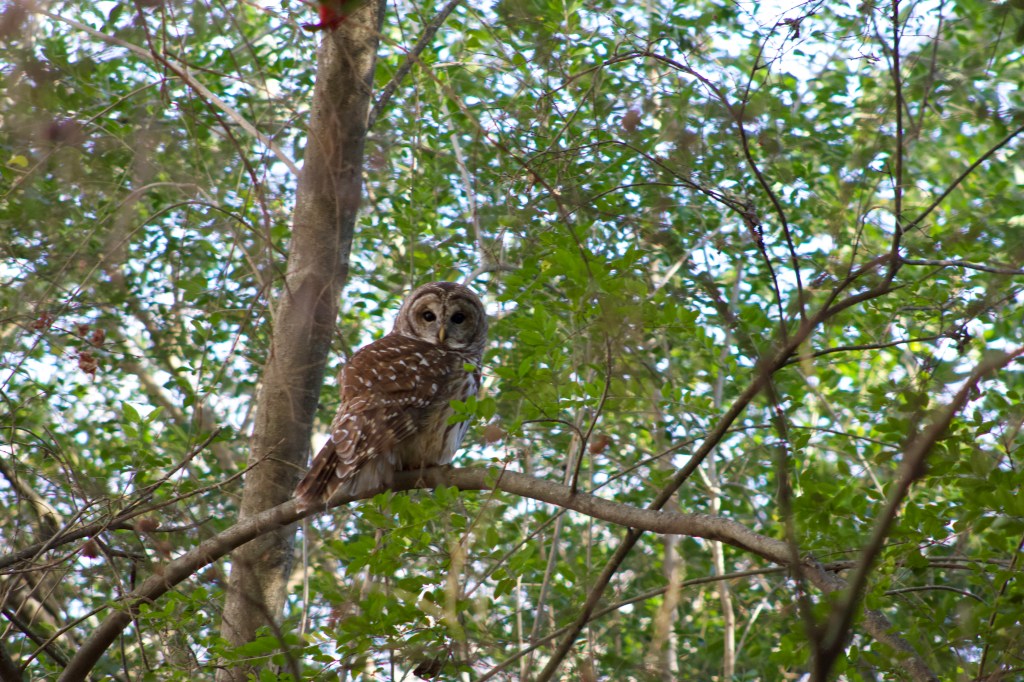
Cover: Wildlife need places to find shelter from bad weather and places to hide from predators or stalk prey.
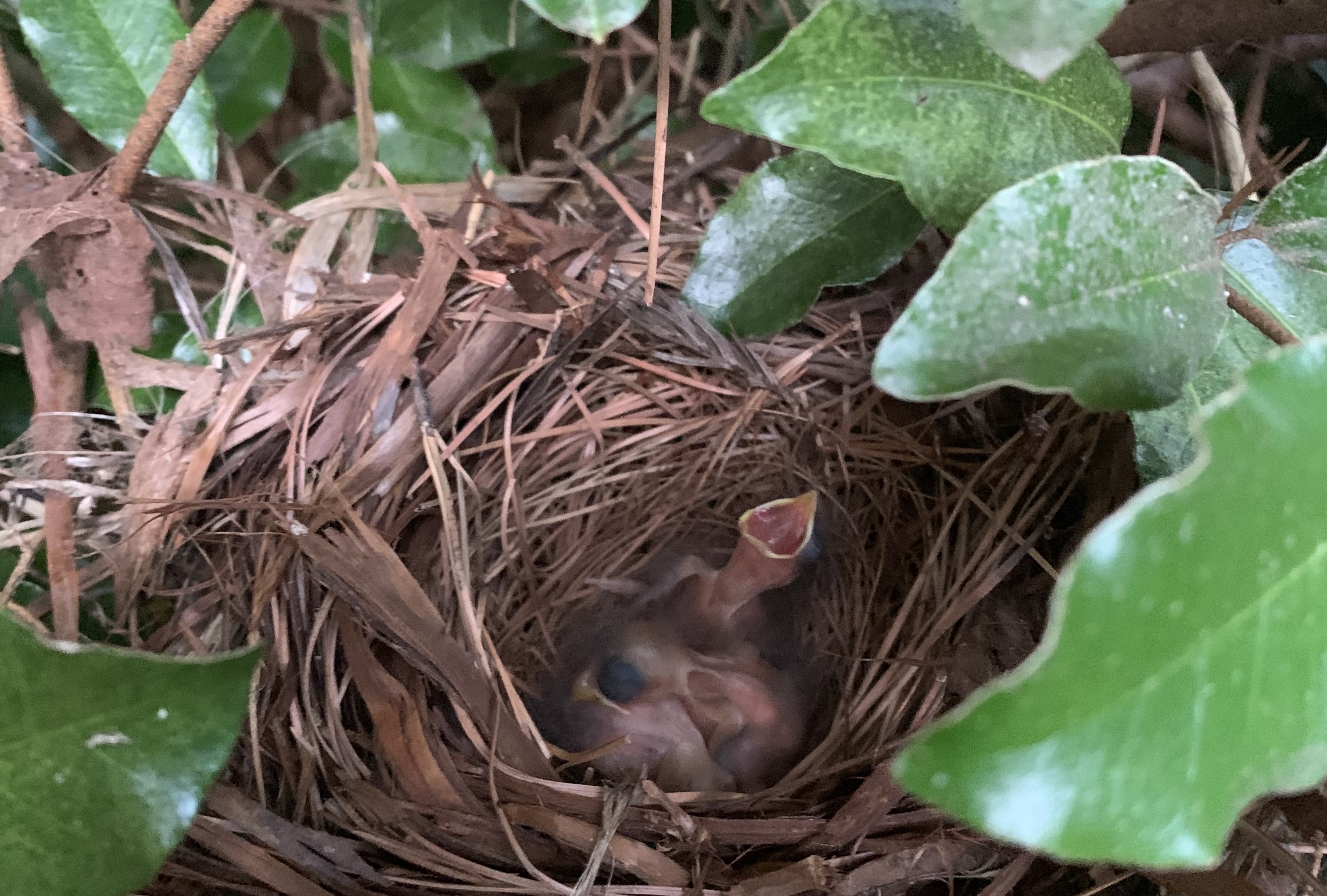
Baby Towhees in the Eleagnus
Places to Raise Young: Wildlife need resources to reproduce and keep their species going.
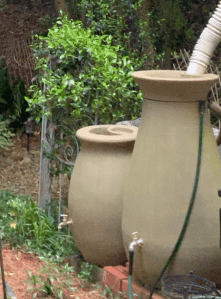
Sustainable Practices: How you manage your garden can have an effect on the health of the soil, air, water, and habitat for native wildlife as well as the human community.
Yes!
NWF Honored Raleigh, North Carolina as one of America’s Top 10 Cities for Wildlife
654
Certified Wildlife Habitats
19
Schoolyard Habitats
170
Parks
100%
Good stuff
Why You’ll Love It
Create a welcoming habitat for wildlife means working with nature. Connecting with nature improves our health and wellbeing and we can make a difference for wildlife and the earth. Whether in a yard, balcony container garden, creating a wildlife habitat provides wonderful benefits.
- Beautiful
- Fun
- Sustainable
- Exciting
- Satisfying
“Very satisfying!”
Such a happy feeling to see the birds on the branches of a tree we planted.
P
“A thrill!”
It is exciting to discover nest and eggs in the Bluebird box.
P
“Butterfly central!”
Seeing the butterflies flitting around the flowers is delightful.
P
Try it out
Develop a Wildlife Habitat Plan
- Community Wildlife Habitathttps://www.nwf.org/communitywildlifehabitat “Bring together your community by providing habitat for wildlife where people live, work, learn, play, and worship. The National Wildlife Federation’s Community Wildlife Habitat™ program provides community leaders with a focused framework for restoring wildlife habitat and engaging communityContinue reading “Community Wildlife Habitat”
- North Carolina Wildlife Habitat resourcesNC Wildlife Federation Certified Wildlife Habitat NCSU Backyard Biodiversity Designscapes of NC North Carolina Native Plants Society National Wildlife Federation Honors Raleigh, North Carolina as one of America’s Top 10 Cities for Wildlife NCWF Butterfly Highway https://www.charlottewildlife.org/habitat-steward-page.html https://www.charlottewildlife.org/certified.html https://www.charlottewildlife.org/habitat-steward.html YourContinue reading “North Carolina Wildlife Habitat resources”
 Raleigh Wildlife Habitat